Fifteen sites, fifteen versions of the brand.
Across the group, every plant and mill built its own presentations. Logos sat at different sizes, colours drifted off-palette, layouts changed slide to slide. Put two site decks side by side and they looked like two different companies. For a FTSE 100 that takes brand consistency seriously, that's a credibility gap in front of customers, investors and auditors.
The fix couldn't be a memo. It had to be something every site could pick up and use without a designer in the room.
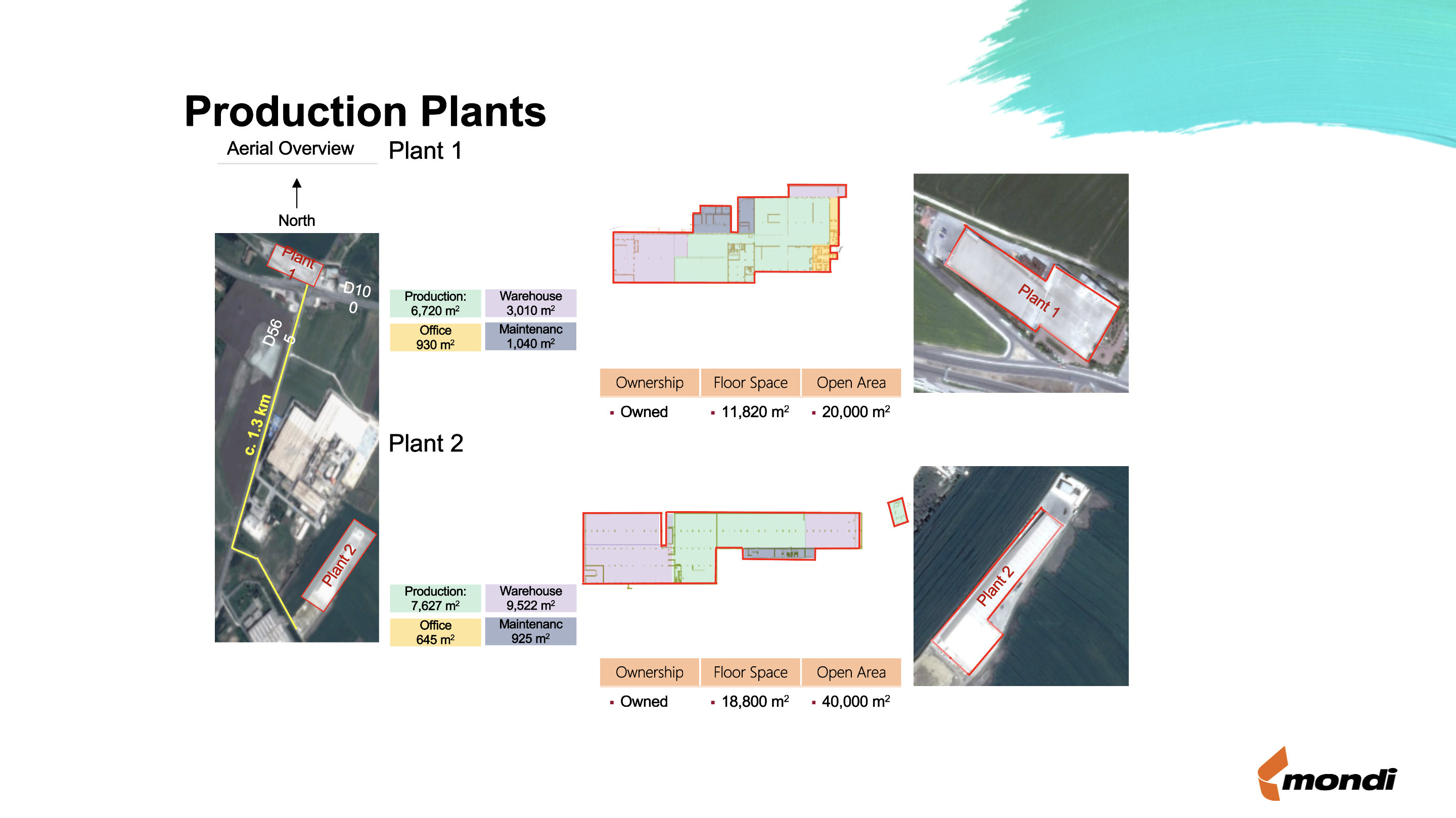
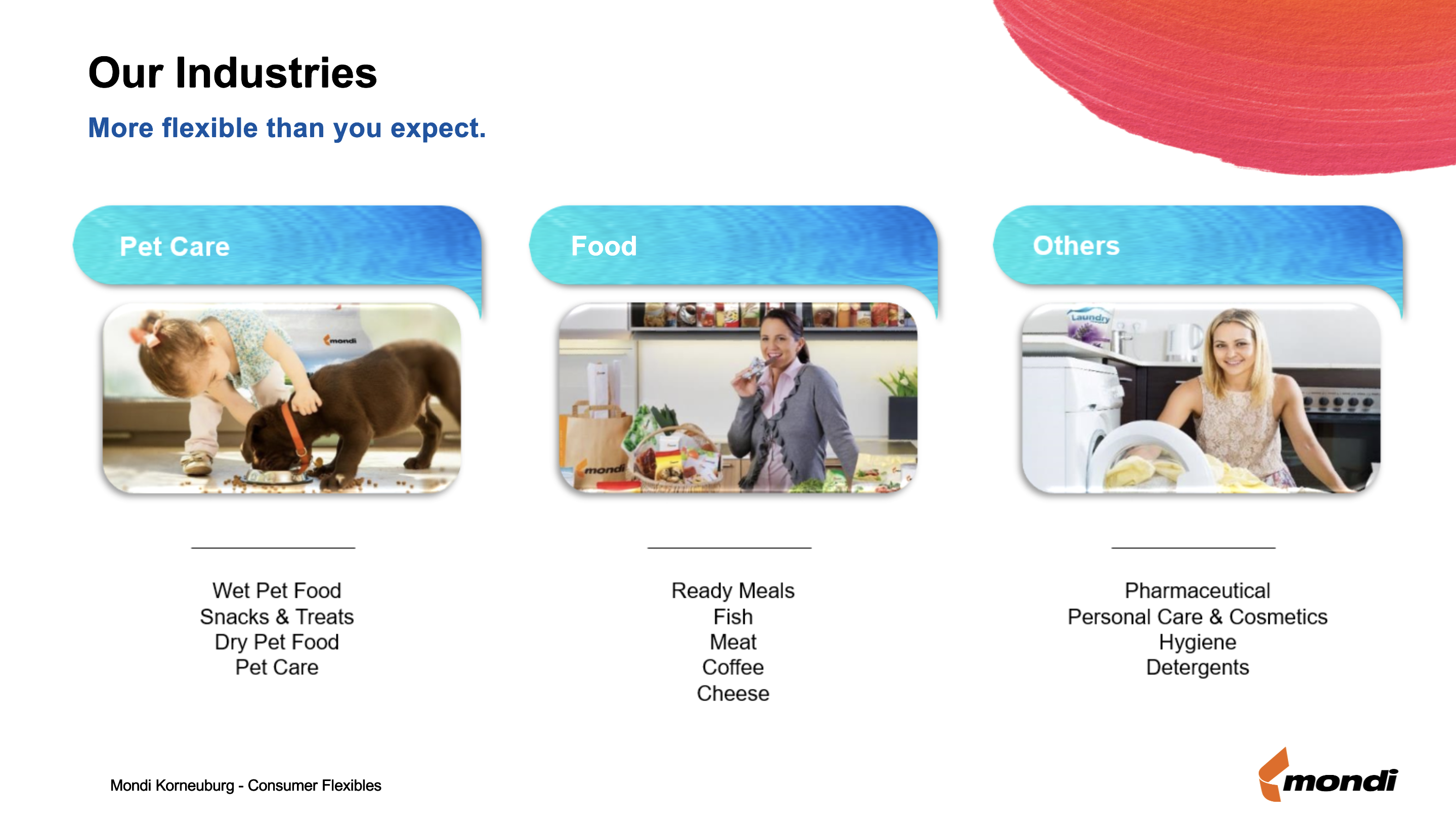
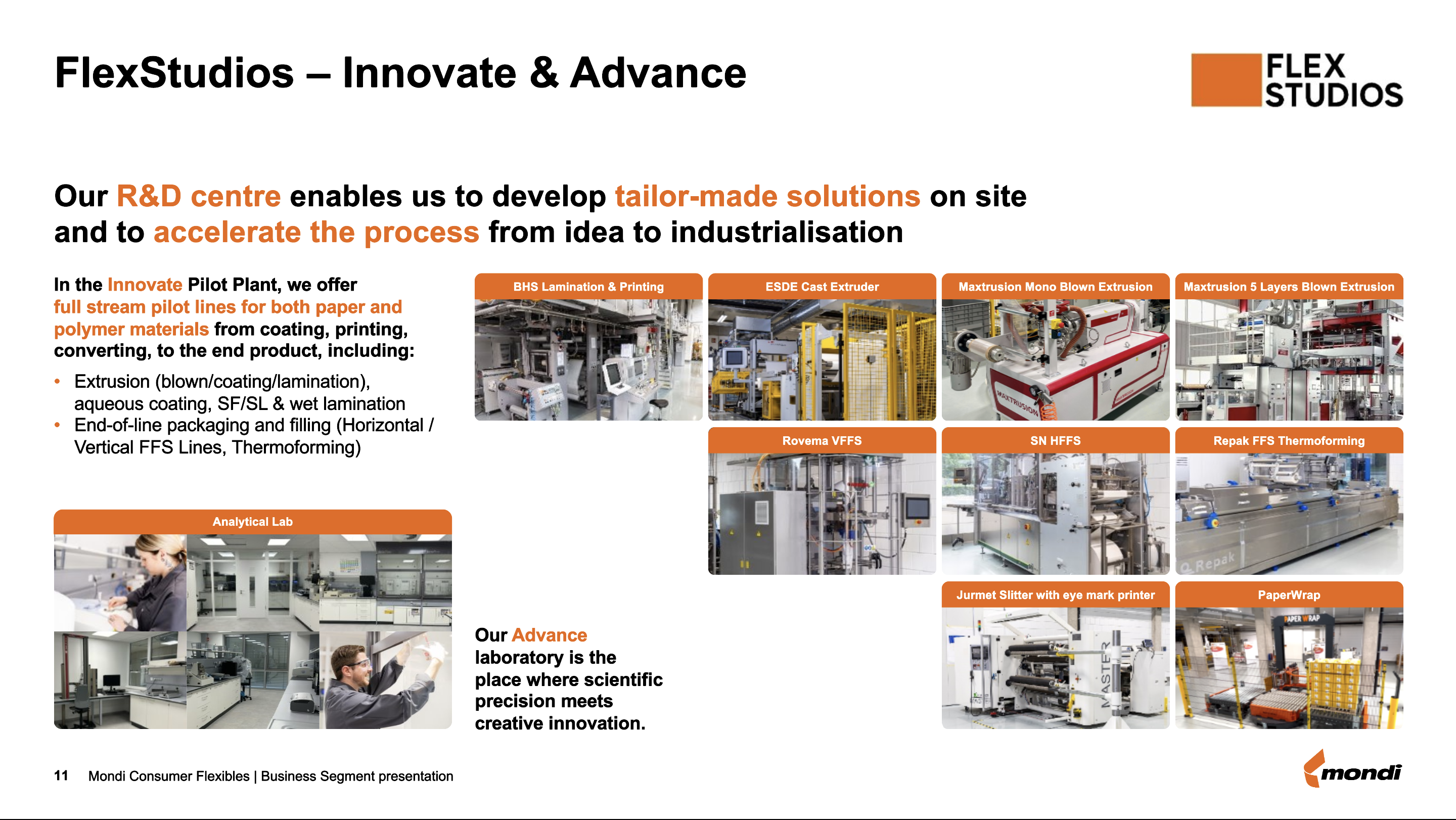
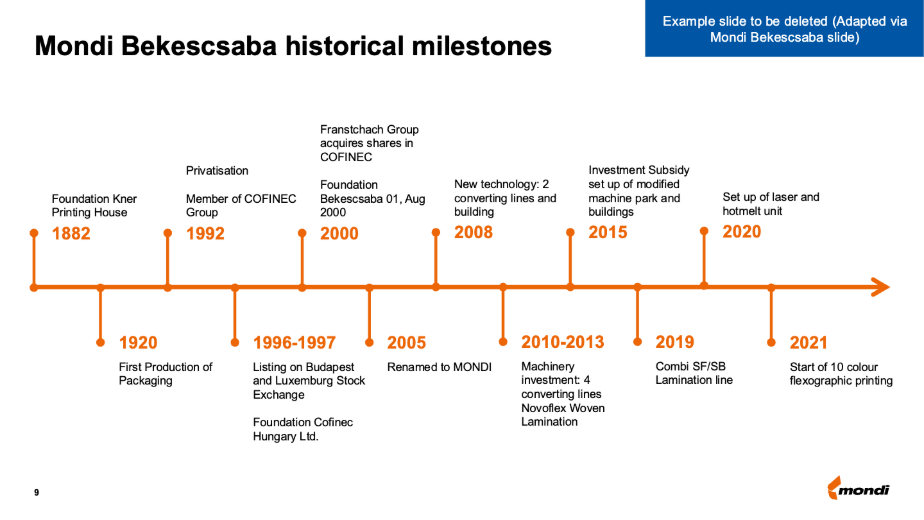
The work started by reading what already existed.
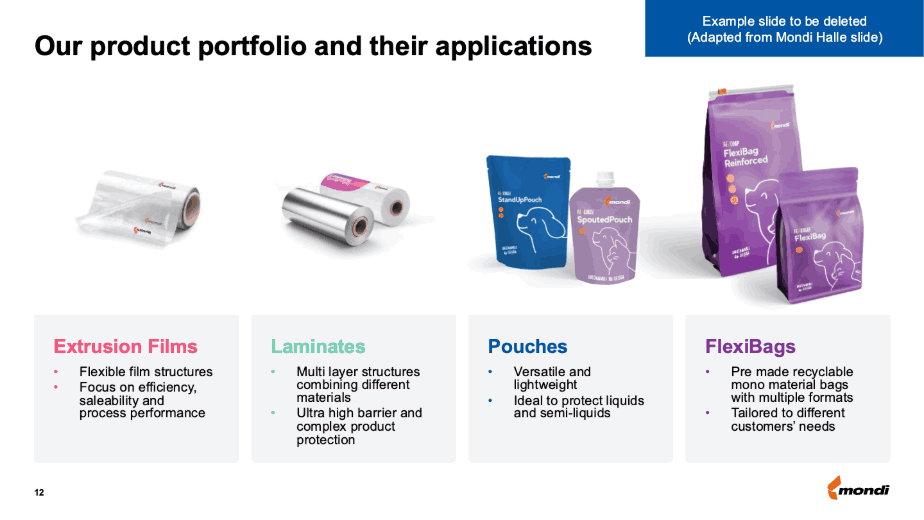
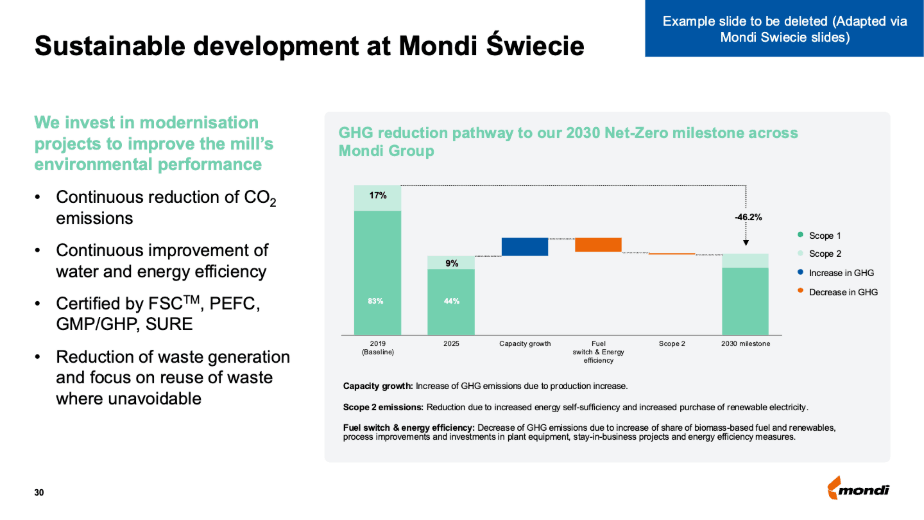
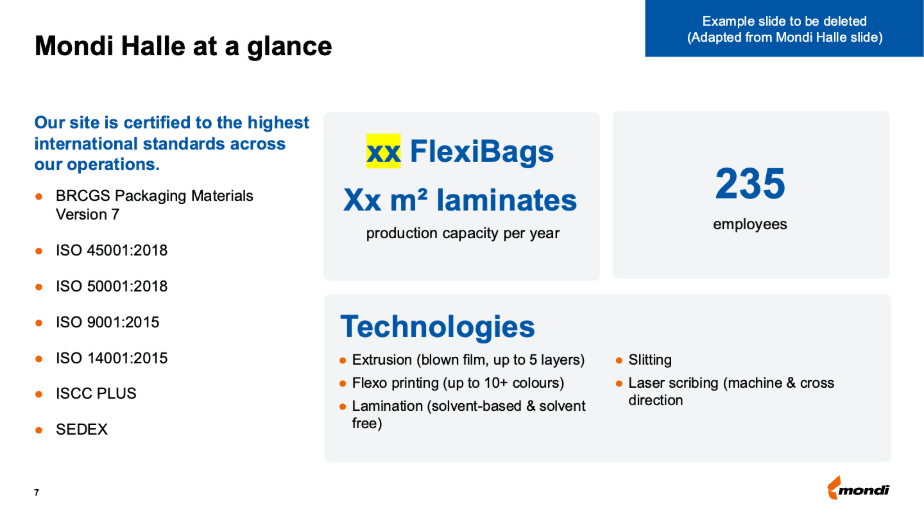
A review of roughly 15 of the main plant and mill presentations mapped what they actually contain: site “at a glance” overviews, capacity and headcount figures, certifications, historical milestones, footprint maps and end-market breakdowns. The recurring slide types became the spec. The template wasn't invented from a blank page, it was reverse-engineered from the real work people needed to present.
A master set every site builds from.
- Brand-locked masters. Type scale, colour, logo placement and spacing all set in the slide master, so it's hard to go off-brand by accident.
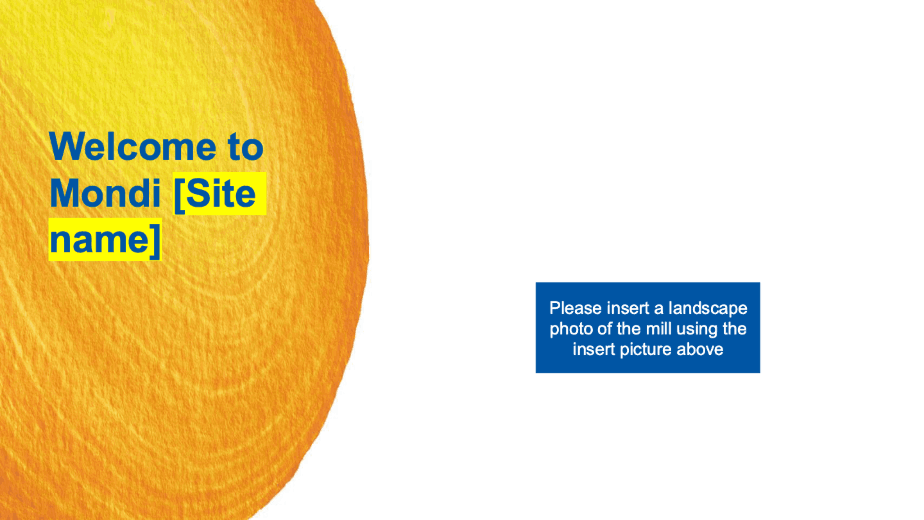
- Ready-made layouts. A library covering every recurring slide type from the audit — title, at a glance, milestones, footprint, end markets, closing.
- Aligned to brand guidelines. Every decision checked against the group's existing visual language, not a new one.
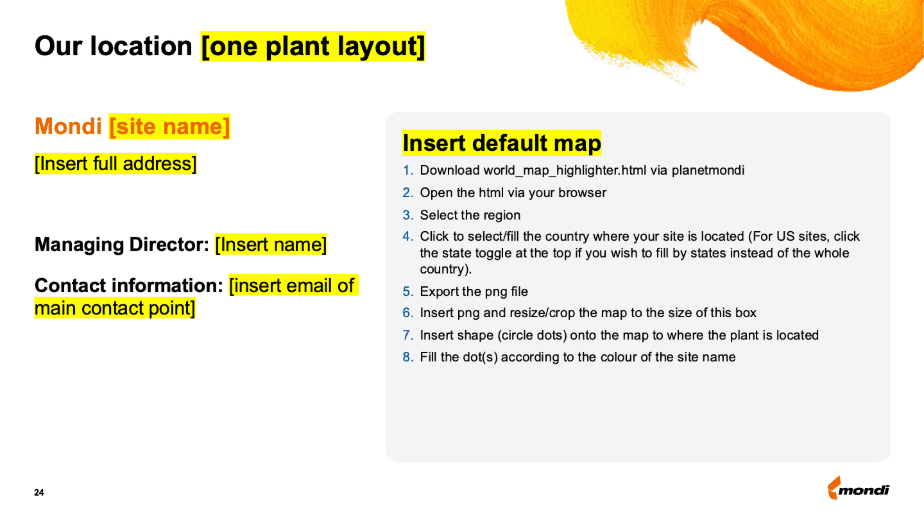
Maps were the weak spot, so I built a tool for them.
Location maps were where consistency fell apart fastest, since every site styled their own. So a small in-house web tool handles it: pick a region, then a country, and it generates a location map in the exact corporate style as a clean PNG to drop straight into the deck. Same look, zero design skill required.
The whole thing was handled end to end: the audit, the template system, the brand alignment and the companion tool, with the project manager stepping in only to forward slides for review. It's the kind of work that's invisible when done right: nobody notices the templates, they just notice the group finally looks like one company.